Idli Batter Not Fermenting in Winter: Tested Fixes
Idli batter often fails to ferment in winter because cold slows microbes. Keep batter warm at around 30°C and use starter cultures or backslopping to ensure fermentation.
Contents
- Why does idli batter not ferment well in winter?
- What is the ideal temperature for fermenting idli batter?
- How can I keep idli batter warm during winter for proper fermentation?
- What are effective starter cultures to use for idli batter fermentation in cold weather?
- How does the backslopping method help in speeding up idli batter fermentation?
- Is there a way to reduce fermentation time without compromising nutritional quality?
- Frequently asked questions
- The bottom line
- Sources & methodology
Idli batter typically does not ferment well in winter because the lower temperatures slow down the activity of essential natural fermenting microorganisms. To fix this, maintaining the batter in a warm environment around 30°C can encourage microbial growth. Additionally, using starter cultures or adding a portion of previously fermented batter can help accelerate fermentation despite the cold.
Why does idli batter not ferment well in winter?
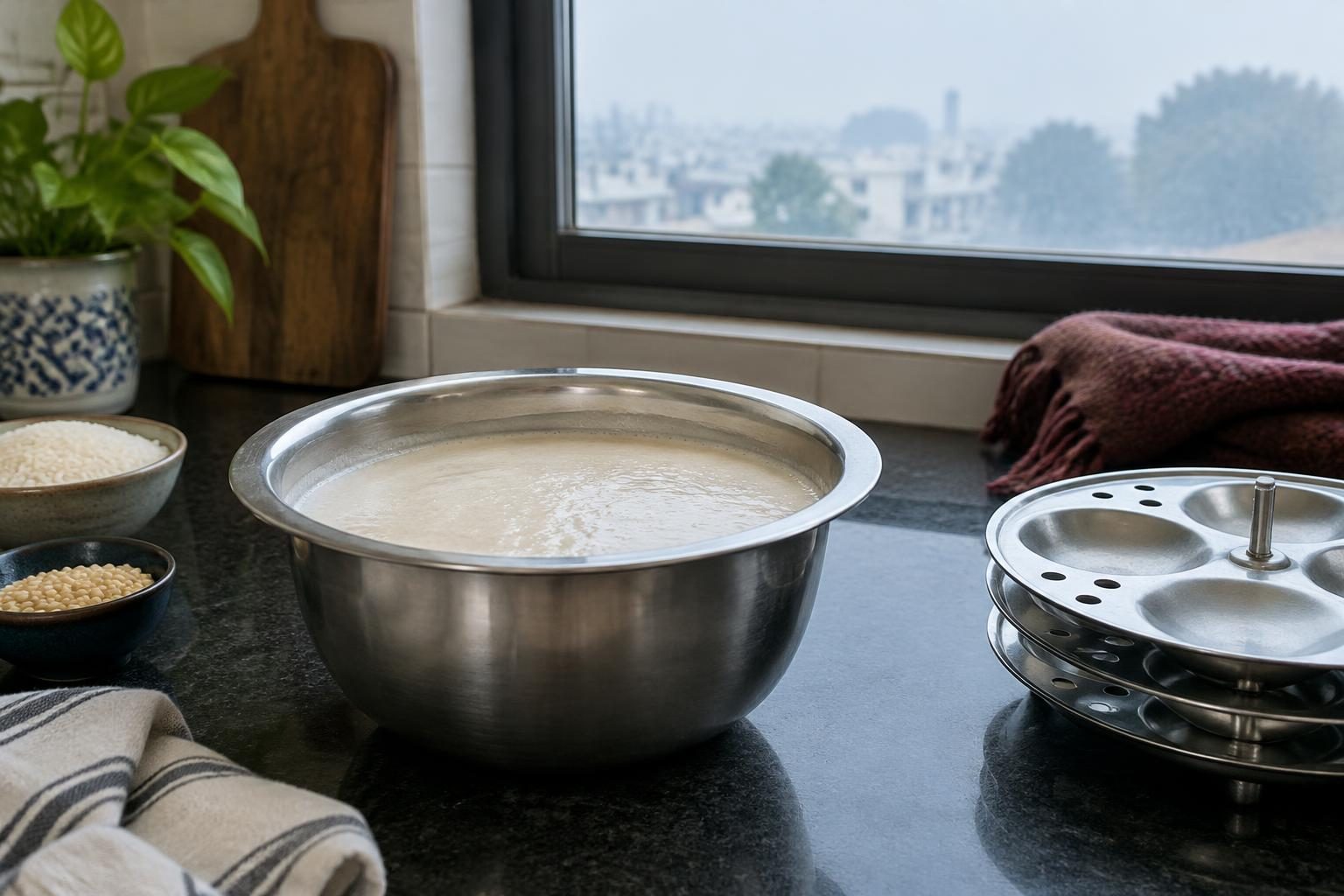
Idli batter fermentation depends on microorganisms that thrive best at warm temperatures around 30°C. In winter, the ambient temperature drops significantly, which slows down or stops these microbes’ activity. The microorganisms, such as Leuconostoc mesenteroides and Streptococcus thermophilus, present naturally in soaked rice and black gram, produce carbon dioxide and lactic acid essential for fermenting the batter. When the temperature is too low, this fermentation process becomes sluggish, resulting in dense, under-fermented batter.
What is the ideal temperature for fermenting idli batter?
The optimal temperature for fermenting idli batter is approximately 30°C (±1°C). At this temperature, the important lactic acid bacteria and other microbes multiply efficiently, producing the gas and acidity needed for proper batter rise and flavor development. When temperatures fall below this optimal range, fermentation slows or may not occur at all, causing poor texture in the final idlis.
How can I keep idli batter warm during winter for proper fermentation?
Maintaining the batter close to 30°C in winter is key to good fermentation. Several household methods can help:
- Place the container of batter inside an oven with just the light turned on — this generates a gentle warmth without heat.
- Use a warm water bath by placing the batter container inside a larger vessel filled with warm water, ensuring it stays consistently warm.
- Create a simple fermentation box by insulating the batter container with towels or placing it inside a closed box with a low wattage electric bulb or heating pad designed for fermenting.
- Wrap the batter container in a thick cloth or woollen shawl to preserve heat.
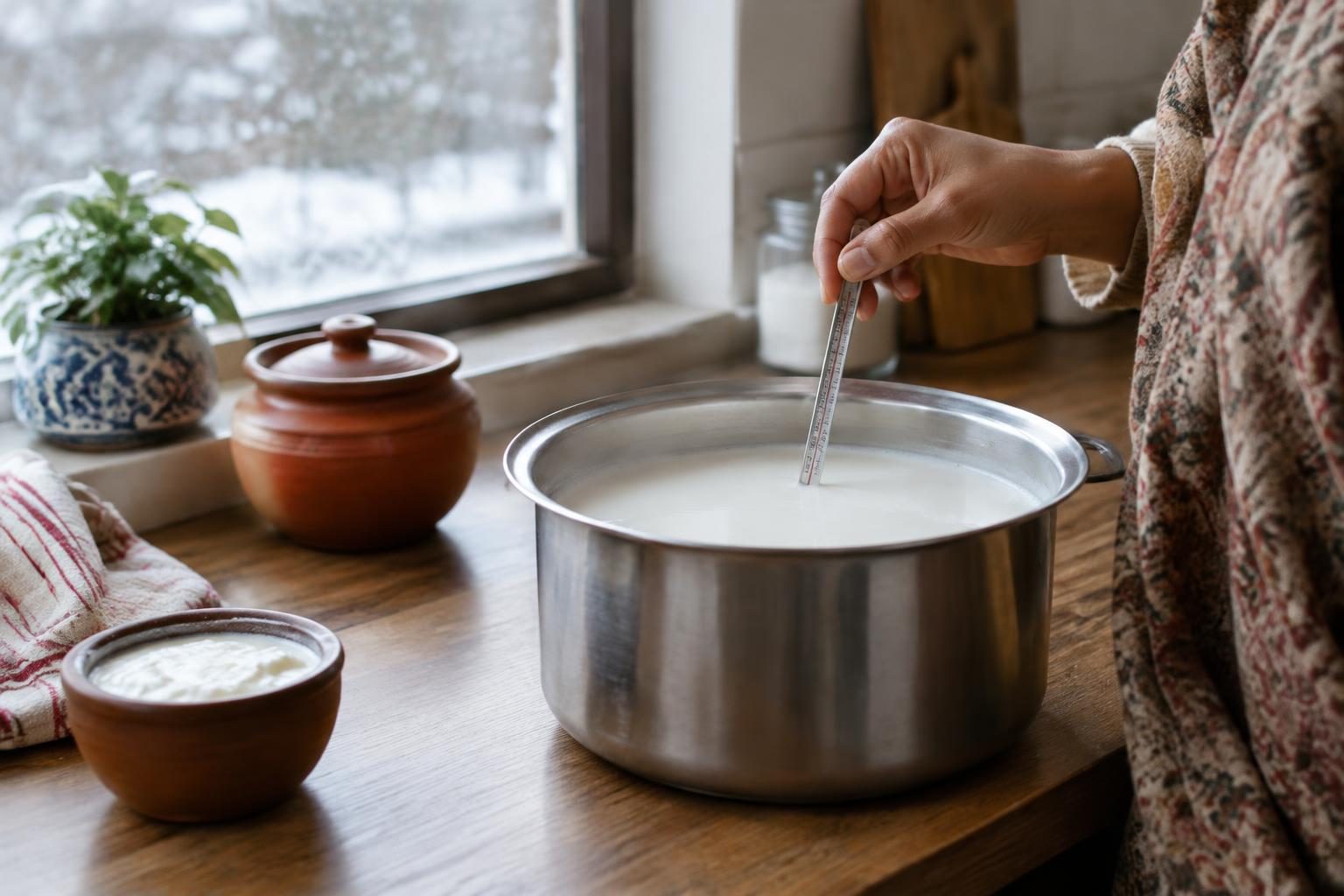
It is important to avoid overheating, as too-high temperatures can kill the beneficial microorganisms. Monitor the temperature with a kitchen thermometer if possible.
What are effective starter cultures to use for idli batter fermentation in cold weather?
Using starter cultures can significantly improve fermentation in winter. Strains such as Pediococcus pentosaceus and Enterococcus faecium MTCC 5153 are known to accelerate fermentation by boosting carbon dioxide and lactic acid production. Starter cultures help batter rise better and enhance the texture and flavor of idli, especially when natural microbial activity is reduced due to cold temperatures. These cultures can be obtained from scientific suppliers or sometimes from portions of commercially fermented batters.
How does the backslopping method help in speeding up idli batter fermentation?
The backslopping method involves adding a portion (around 10-20%) of previously fermented idli batter to the fresh batter. This introduces an active population of fermenting microbes to the new mix, which can shorten fermentation time from about 12 hours to as little as 3 hours. Moreover, this method improves the nutritional quality of the batter by increasing beneficial components like thiamine and reducing anti-nutrients that inhibit digestion.
Is there a way to reduce fermentation time without compromising nutritional quality?
Yes, using starter cultures or the backslopping method effectively reduces fermentation time without sacrificing nutritional benefits. Maintaining an optimal temperature during fermentation further supports this balance. It is advisable not to rush fermentation by simply increasing the batter quantity or raising the temperature above recommended levels, as this may harm microbial activity or batter quality.
Frequently asked questions
Why does the microbial activity decrease in idli batter during winter?
Microbial activity decreases mainly because the microbes responsible for fermentation are mesophilic, thriving best near 30°C. Cold winter temperatures slow their metabolism and reproduction, stalling fermentation.
What household items can be repurposed to create a warm fermentation environment?
Common household items like ovens with the light on, insulated boxes or baskets wrapped in cloth, warm water baths, and electric heating pads made for fermentation can maintain the ideal temperature for batter.
Can I use commercial yogurt or fermented products as starter cultures for idli batter?
While commercial yogurt contains some lactic acid bacteria, it is not the best starter for idli batter because the microbial strains differ. Using backslopped batter or specific starter cultures designed for idli is more effective.
How do starter cultures change the taste and texture of idlis?
Starter cultures enhance the rise by producing more carbon dioxide, making idlis fluffier. They also increase acidity, which improves flavor and shelf life without bitterness.
What is the recommended proportion for the backslopping method in a home kitchen?
Typically, adding about 10-20% of previously fermented batter to the fresh batter works well. This balance speeds fermentation and sustains microbial diversity for good texture and taste.
The bottom line
Idli batter not fermenting in winter is primarily due to low temperatures slowing microbial activity. Creating a warm environment close to 30°C and using techniques like starter cultures or backslopping can ensure consistent fermentation and better-quality idlis during cold months.
For more practical kitchen tips, see our tips for handling Indian utensils in the kitchen and explore checklists for buying and handling kitchen appliances.
Sources & methodology
We reviewed the primary references below when checking the time-sensitive facts in this guide. Product features, prices, rules and eligibility can change, so confirm important details with the linked authority before acting.
- Preparation of idli batter, its properties and nutritional improvement during fermentation pmc.ncbi.nlm.nih.govIdli batter is traditionally prepared by soaking polished parboiled rice and decorticated black gram for 4 hours at 30 ± 1 °C, followed by grinding with adequate water. The batter is then fermented overnight at room temperature. Fermentation is crucial for leavening and acidification, primarily driven by microorganisms like Leuconostoc mesenteroides and Streptococcus thermophilus, which produce lactic acid and carbon dioxide. These conditions are optimal at temperatures around 30°C. In colder environments, such as winter, fermentation can be sluggish, leading to under-fermented batter. To address this, maintaining a warm environment is essential. Utilizing an oven with a light on, a warm water bath, or a fermentation box can help achieve the desired temperature range. Additionally, using a starter culture can expedite fermentation. For instance, incorporating Pediococcus pentosaceus or Enterococcus faecium MTCC 5153 has been shown to enhance fermentation, resulting in better rise, acidity, and overall quality of the idlis. ([pubmed.ncbi.nlm.nih.gov](https://pubmed.ncbi.nlm.nih.gov/23572685/?utm_source=openai))
- Use of the backslopping method for accelerated and nutritionally enriched idli fermentation pubmed.ncbi.nlm.nih.govThe backslopping method involves introducing a portion of previously fermented batter into the new batch, serving as an inoculum. This practice can reduce fermentation time from the conventional 12 hours to approximately 3 hours. Notably, idlis prepared using this accelerated method exhibited a 50% increase in thiamine content and a reduction in anti-nutrients like phytate and trypsin inhibitor compared to traditionally fermented idlis. This suggests that backslopping not only speeds up fermentation but also enhances the nutritional profile of the idlis. ([pubmed.ncbi.nlm.nih.gov](https://pubmed.ncbi.nlm.nih.gov/25242581/?utm_source=openai))
- Selection of starter cultures for idli batter fermentation and their effect on quality of idlis pubmed.ncbi.nlm.nih.govIncorporating specific starter cultures into idli batter can significantly improve fermentation efficiency and the quality of the final product. Cultures such as Enterococcus faecium MTCC 5153 and Pediococcus pentosaceus have been identified as effective for idli fermentation. These cultures contribute to a rise in batter volume, increased CO₂ production, and enhanced acidity, leading to idlis with superior texture and flavor. Utilizing such starter cultures can be particularly beneficial in colder climates where natural fermentation is slow. ([pubmed.ncbi.nlm.nih.gov](https://pubmed.ncbi.nlm.nih.gov/23572685/?utm_source=openai))