Wrong Product Delivered Online: Return Evidence Checklist
If you receive the wrong product online, promptly collect photos, order receipts, payment proof, and communication records to support your return or refund request under Indian consumer rights.
Contents
- What steps should I take when a wrong product is delivered online?
- What evidence should I collect to prove the wrong product was delivered?
- Am I required to return the wrong product, and how do I do it?
- What are the timelines for raising a complaint and returning the item?
- What should I do if the seller does not respond or refuses to take responsibility?
- How can I protect myself from scams related to wrong or unexpected online deliveries?
- Is there a practical checklist to follow for return evidence and process?
- Frequently asked questions
- The bottom line
- Sources & methodology
If you receive the wrong product delivered online, immediately gather clear evidence such as photos of the item and its packaging, order confirmation details, payment receipts, and records of all communication with the seller. This documentation helps support your request for a return, refund, or replacement, aiding in a smoother resolution process under Indian consumer rights and seller policies.
What steps should I take when a wrong product is delivered online?
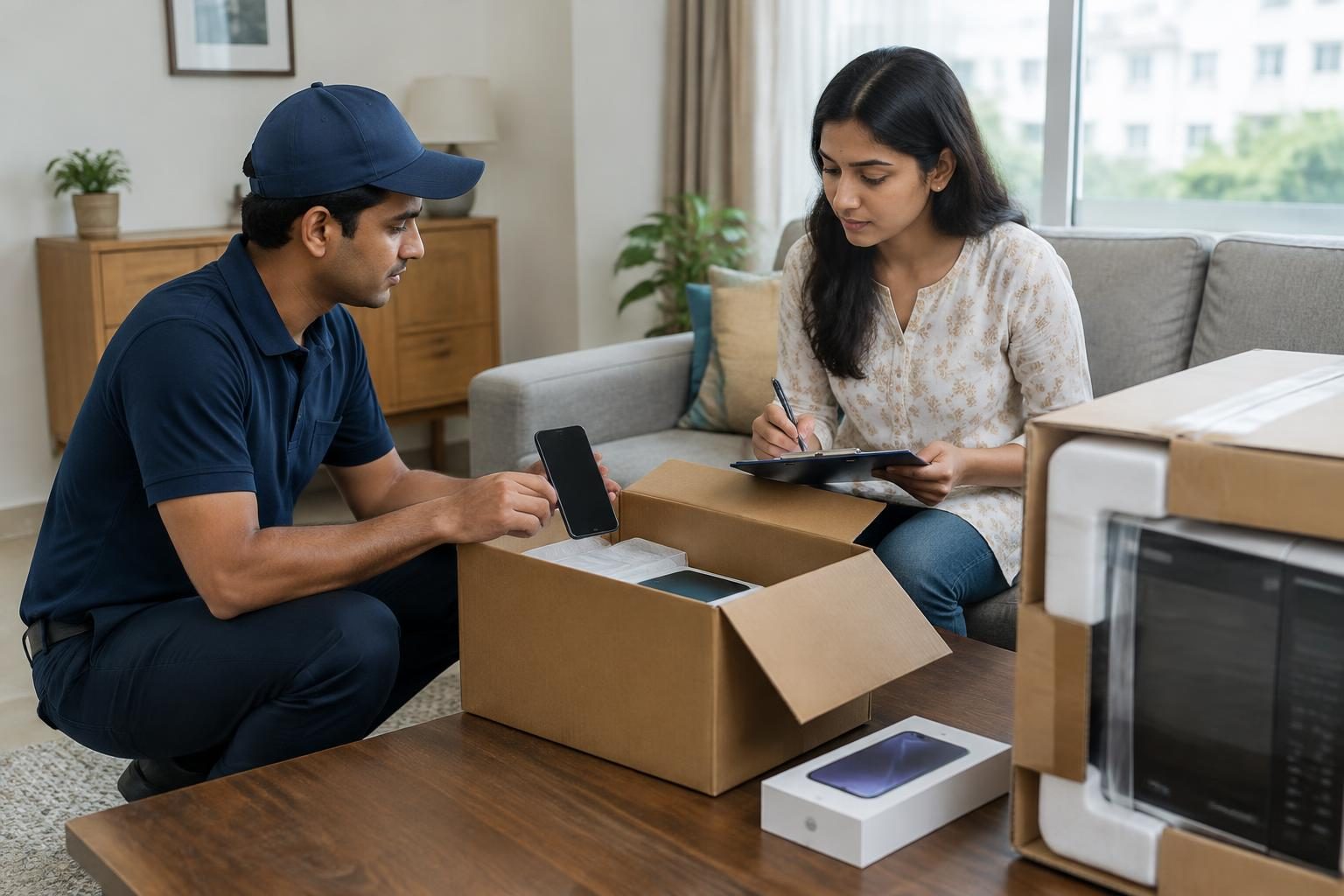
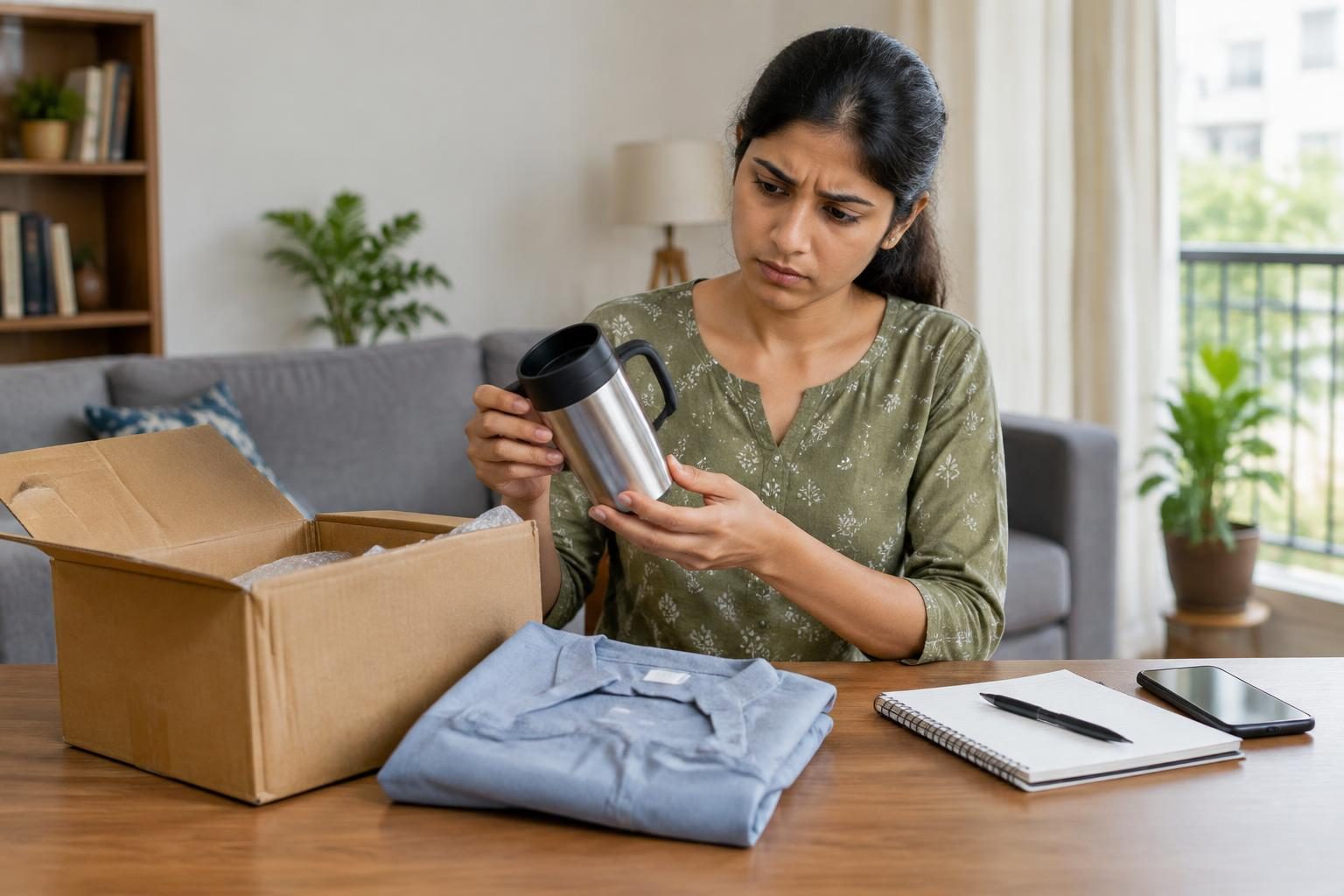
Start by verifying that the product received is different from what you ordered and avoid using the item. Then contact the seller promptly with all relevant details and preserve the original packaging and documents.
- Confirm that the product is incorrect by comparing it with your order confirmation or product description.
- Do not use or damage the product to maintain eligibility for return.
- Notify the seller through official channels immediately, detailing the issue.
- Keep the original packaging, labels, and purchase documents intact as proof.
Following these steps aligns with recommended practices for handling wrong or defective deliveries, such as those from the US Federal Trade Commission (source), and are commonly advised for Indian consumers as well.
What evidence should I collect to prove the wrong product was delivered?
Collecting strong evidence is essential to back your claim and facilitate resolution with the seller.
- Take clear photos or videos of the delivered product alongside its packaging immediately after receipt.
- Save screenshots or printouts of the original order confirmation showing product details, price, and seller information.
- Keep receipts or payment confirmation from your payment method, including UPI, debit cards, or digital wallets if applicable.
- Save records of all communication with the seller, including emails, chat logs, and messages, noting dates and responses.
These evidence types are suggested to help resolve issues with online orders effectively (source).
Am I required to return the wrong product, and how do I do it?
Returning the wrong product depends on the seller's return policy and local consumer laws. Typically, sellers expect the item back in original condition.
- Review the seller’s official return policy for your specific case and timelines.
- Keep the product and its packaging undamaged and in original condition.
- Contact the seller to get clear instructions about the return address and method, such as courier or pickup options.
- For international sellers, be aware of customs rules and possible additional shipping costs before return.
- If you received an unsolicited item (one you did not order), Indian laws generally do not require payment or return; however, exercise caution before using such products (source).
Confirm seller policy and local consumer protection laws to understand your obligations fully.
What are the timelines for raising a complaint and returning the item?
It’s important to act quickly by contacting the seller as soon as the wrong delivery is identified.
- Notify the seller promptly, ideally within 7 to 14 days after delivery, but verify the exact return or complaint window stated by the seller.
- Keep proof of the date you contacted the seller in case of disputes.
- Indian consumer grievance redressal timelines exist but can vary by platform or seller; check the relevant policies.
- If the seller delays or does not respond, consider escalating through payment disputes or consumer protection authorities.
Acting within any stated time frames helps preserve your rights and supports effective resolution (source).
What should I do if the seller does not respond or refuses to take responsibility?
If the seller ignores your complaint or denies fault, escalate the issue through your payment provider or consumer forums.
- If payment was through credit card, UPI, or digital wallets, contact your bank or payment service provider to file a dispute. Note that specific rules may vary and you should consult your payment provider directly.
- Report the problem to Indian consumer bodies such as the National Consumer Helpline (consumerhelpline.gov.in) or the Department of Consumer Affairs.
- Keep detailed records of all communications and steps taken.
- Use official online complaint portals and escalation channels available in India to formalize your grievance.
Maintaining clear documentation and following formal escalation improves chances of successful remedy (source).
How can I protect myself from scams related to wrong or unexpected online deliveries?
Be cautious with unexpected deliveries and avoid providing extra personal or financial details in such cases.
- Do not provide further personal or financial information when receiving unsolicited products.
- Do not use or dispose of such items until their legitimacy is confirmed.
- Purchase only from verified and reputable sellers to reduce risks.
- Report suspicious packages or seller behavior to consumer protection authorities.
These precautions help avoid scams like brushing, where sellers send unrequested items to boost feedback artificially (source).
Is there a practical checklist to follow for return evidence and process?
Yes, the following checklist helps ensure you have complete documentation for your claim:
- Take clear photos of the wrong product and original packaging immediately after delivery.
- Save all order confirmation emails, receipts, and payment proofs, including digital methods like UPI or wallets.
- Keep all communication records with the seller, noting dates, times, and content.
- Note the dates of delivery, complaint submission, and any responses from the seller.
- Refer to this documentation when contacting the seller or payment providers for returns or disputes.
This thorough documentation supports a smoother resolution process (source).
Frequently asked questions
What steps should I take if I receive the wrong product in an online order?
Immediately verify the discrepancy, avoid using the product, keep packaging intact, and contact the seller with detailed evidence promptly to initiate resolution.
How do I prove that the product delivered to me is not what I ordered?
Collect clear photos or videos of the product and packaging, save order confirmations and payment receipts, and document all communication with the seller about the issue.
Am I required to return a wrong product delivered online?
Typically, yes, if requested by the seller and depending on their return policy, but you must keep the product undamaged and consult the seller’s instructions. If the product was unsolicited, you generally have no obligation to return it.
What should I do if the seller does not respond to my complaint about a wrong product?
File a dispute with your payment provider if possible, and report the issue to Indian consumer protection agencies using official complaint channels to seek assistance.
Can I dispute the payment if the wrong product was delivered?
Yes, especially for payments made by credit card, UPI, or digital wallets, by contacting your payment provider to initiate a chargeback or dispute, if the seller does not resolve the matter.
The bottom line
If you receive the wrong product delivered online, act promptly to gather comprehensive evidence including photos, purchase receipts, payment proofs, and communication logs. Contact the seller quickly and follow their return policy, keeping the product intact. If the seller is unresponsive, escalate via payment disputes and consumer protection bodies in India for better resolution chances.
To explore related issues about international shipping costs or prize rules, see our guides on hidden costs in international purchases and official lottery and prize rules in India.
For more on handling online order deliveries and issues, you can refer to our article Online Order Marked Delivered But Not Received: Evidence & Escalation.
Sources & methodology
We reviewed the primary references below when checking the time-sensitive facts in this guide. Product features, prices, rules and eligibility can change, so confirm important details with the linked authority before acting.
- Unexpected Package? It Could Be a Brushing Scam consumer.ftc.govThe Federal Trade Commission (FTC) warns that receiving an unexpected package may indicate a 'brushing scam,' where scammers use your name to post fake reviews. If you receive such a package, the FTC advises: - Change passwords on all your online shopping accounts to prevent unauthorized access. - Monitor your credit reports weekly for signs of identity theft. - Understand that by law, you are not obligated to return items you did not order, and you are not required to pay for them. However, exercise caution before using the product, as its origin is unknown. ([consumer.ftc.gov](https://consumer.ftc.gov/consumer-alerts/2026/08/unexpected-package-you-got-could-be-brushing-scam?utm_source=openai))
- Got a Package You Didn’t Order? It’s Probably a Scam consumer.ftc.govThe FTC highlights that receiving an unexpected package could be a scam tactic to post fake reviews using your name. The FTC recommends: - Changing passwords on all your online shopping accounts to secure your information. - Monitoring your credit reports weekly for any signs of identity theft. - Recognizing that you are not required to return items you did not order, and you are not obligated to pay for them. However, avoid using the product until you can verify its origin. ([consumer.ftc.gov](https://consumer.ftc.gov/consumer-alerts/2025/01/got-package-you-didnt-order-its-probably-scam?utm_source=openai))
- Scams in Online Sales: When Orders Don’t Arrive consumer.ftc.govThe FTC reports that scammers have set up fake online stores to take orders for scarce items without delivering them. To protect yourself: - Research the seller by searching online for the company's name along with terms like 'scam' or 'complaint' to assess their reputation. - Pay using a credit card, which offers protection against fraud and the ability to dispute charges if the item is not received. - Keep copies of product descriptions, prices, receipts, and any communication with the seller, including messages about shipping delays. ([consumer.ftc.gov](https://consumer.ftc.gov/consumer-alerts/2020/07/scams-online-sales-when-orders-dont-arrive?utm_source=openai))
- Shopping Online? Here’s What to Do When Things Go Wrong consumer.ftc.govThe FTC advises that if you receive a wrong or damaged item: - Contact the seller directly to resolve the issue, providing all necessary documentation. - If the seller is unresponsive or uncooperative, consider disputing the charge with your credit card company. - Report the issue to the FTC to help identify and address fraudulent practices. ([consumer.ftc.gov](https://consumer.ftc.gov/consumer-alerts/2023/04/shopping-online-heres-what-do-when-things-go-wrong?utm_source=openai))
- Have a Problem with Something You Bought? consumer.ftc.govThe FTC recommends: - Contacting the seller directly to resolve the issue, keeping records of all communications. - If the seller is unresponsive, disputing the charge with your credit card company. - Reporting the issue to the FTC to assist in identifying and addressing fraudulent practices. ([consumer.ftc.gov](https://consumer.ftc.gov/consumer-alerts/2025/02/have-problem-something-you-bought?utm_source=openai))