Courier Asking for Extra Payment: How to Verify the Request
When a courier asks for extra payment, check your parcel’s actual size and weight, compare with booking details, and verify official courier policies to confirm legitimacy and avoid scams.
Contents
- Why might a courier ask for extra payment after booking?
- How can I verify if a courier’s request for additional payment is legitimate?
- What steps should I take to avoid courier surcharge charges?
- What are common red flags in courier extra payment requests that indicate scams?
- Can I refuse to pay an extra courier fee if I believe it is unfair?
- How do couriers calculate additional payment based on parcel weight and dimensions?
- What should I do if I receive a message asking for extra taxes or customs fees related to a delivery?
- How can I protect my personal and financial information when dealing with courier payment requests?
- Frequently asked questions
- The bottom line
- Sources & methodology
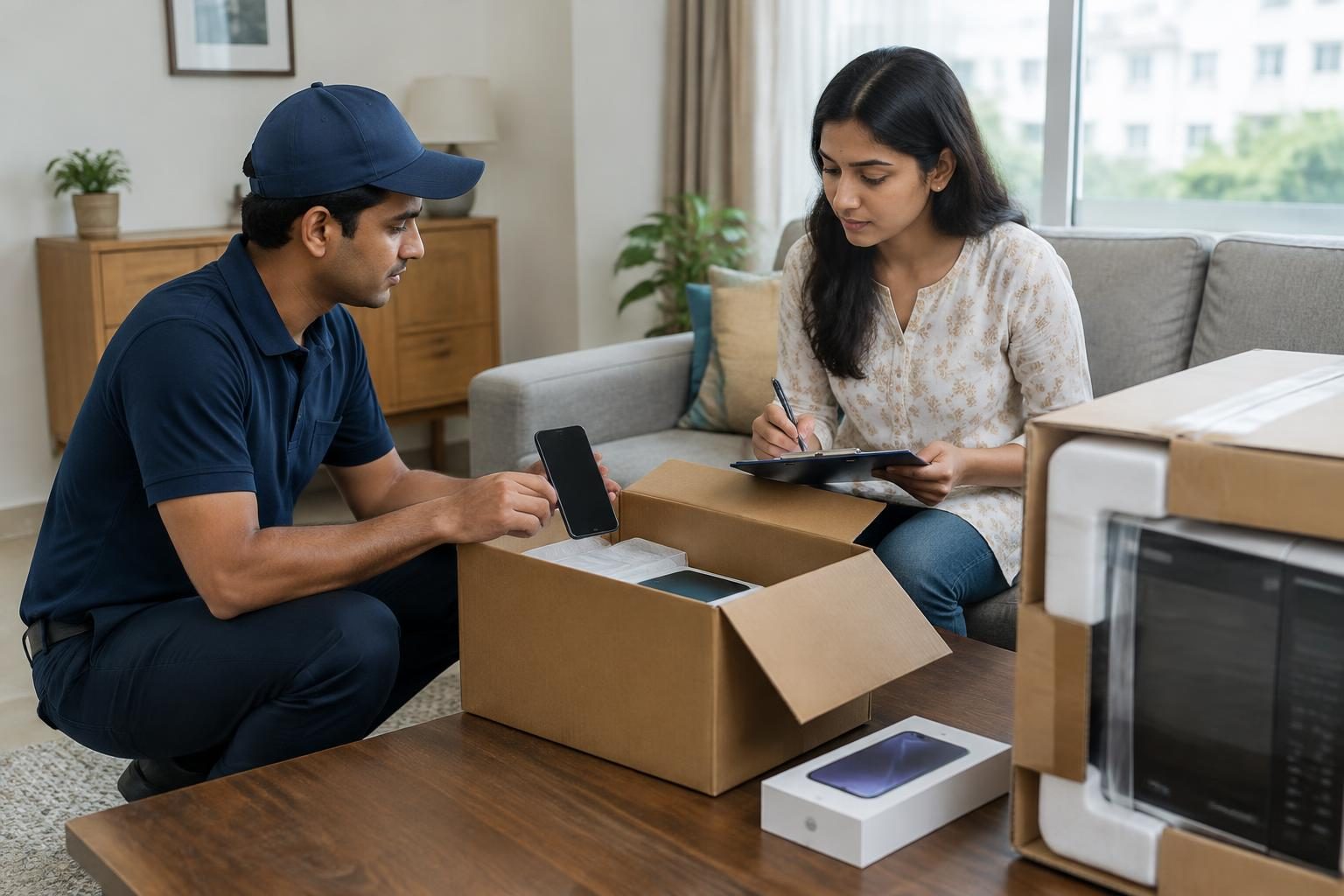
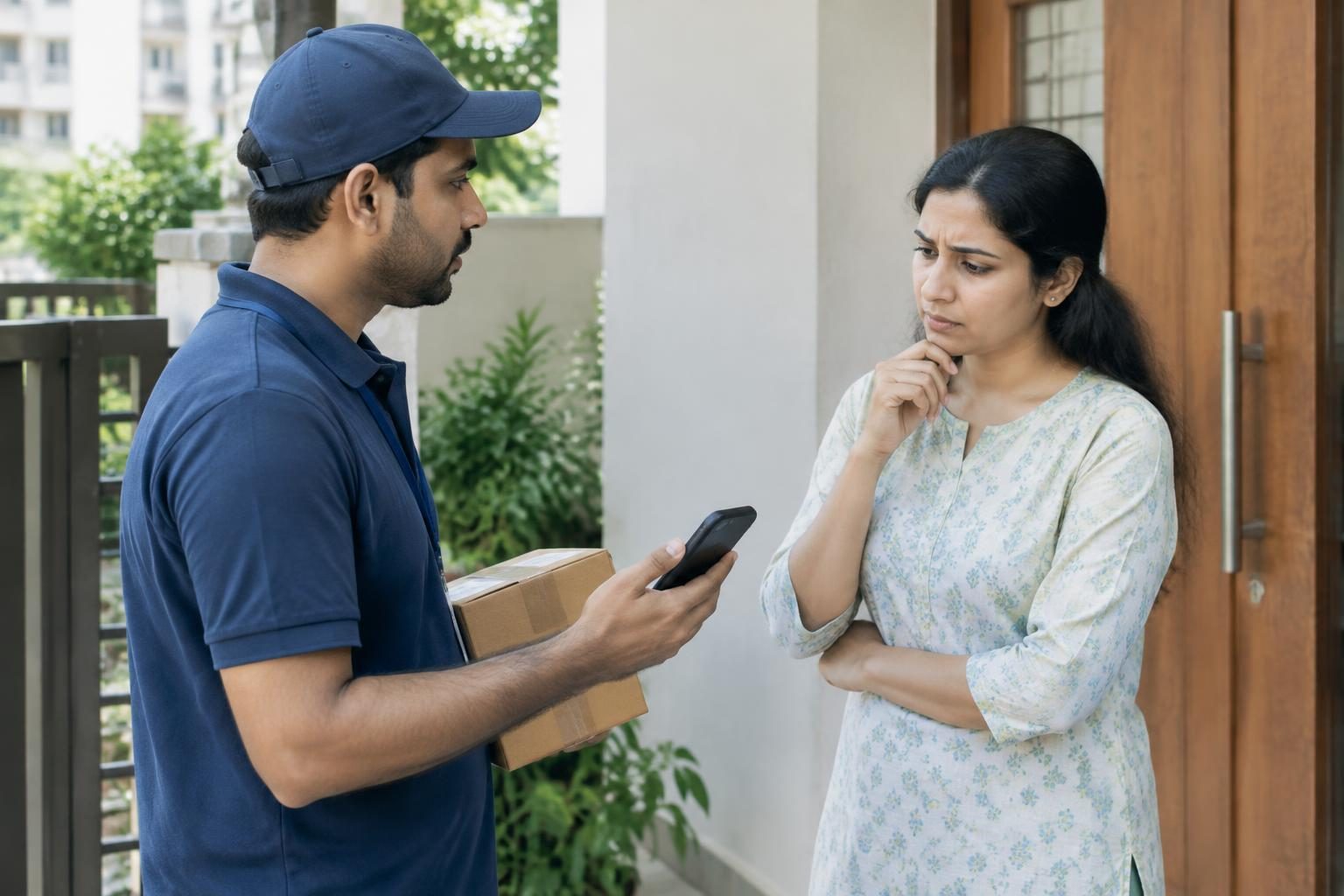
If a courier is asking for extra payment, start by verifying if this surcharge is legitimate by checking your parcel’s actual weight and dimensions against what you declared during booking. Review the courier’s official surcharge policies on their website and confirm any payment requests directly with the courier or retailer, avoiding links from unsolicited messages to prevent scams.
Why might a courier ask for extra payment after booking?
Couriers may request additional payment if the actual weight or size of your parcel is greater than what you originally declared. This triggers a surcharge that covers the underestimated shipping cost. For example, both Parcel2Go and FedEx outline these policies clearly.
- Couriers charge extra fees when actual parcel weight or size exceeds the declared measurements.
- These surcharges compensate for additional transport costs not covered by the initial payment.
- Official courier terms specify how and when additional charges apply.
How can I verify if a courier’s request for additional payment is legitimate?
To determine legitimacy, first measure your parcel’s weight and dimensions carefully and compare them to the details you entered when booking. Then, review the courier’s official surcharge policies, which are usually found on their website or through their customer service. Avoid clicking links in unsolicited emails or texts; instead, contact the courier or retailer directly through verified channels. Scam alerts, such as those by the Georgia Attorney General’s Consumer Protection Division, warn about fraudulent messages claiming unexpected fees.
- Compare your parcel’s actual measurements with your booking information.
- Check the courier’s official surcharge policy online.
- Contact courier or retailer directly without following unsolicited links.
- Watch for scam indicators, such as demands for unexpected customs or tax payments.
What steps should I take to avoid courier surcharge charges?
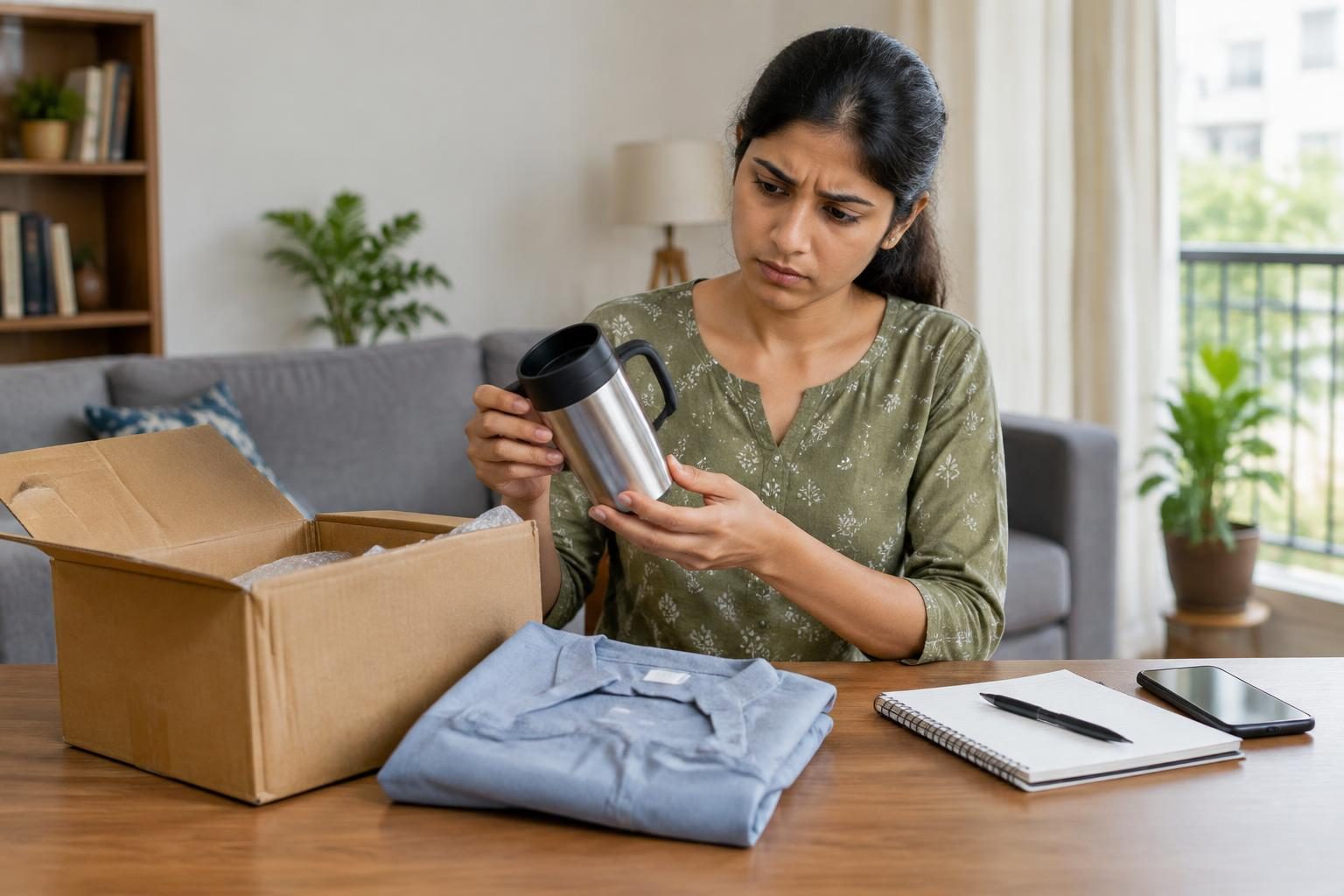
Accurately weighing and measuring your parcel before shipping reduces the risk of surcharges. Use a reliable scale and measuring tape, and follow the courier’s packaging recommendations. Declare parcel details honestly during booking and save your shipment receipts or confirmation for reference.
- Use precise scales and measuring tools to verify parcel size and weight before shipping.
- Adhere strictly to courier packaging and size guidelines.
- Declare all parcel details truthfully when arranging shipment.
- Keep documentation to support your declared parcel information.
What are common red flags in courier extra payment requests that indicate scams?
Watch for unsolicited payment demands sent via email or text containing suspicious links. Other warning signs include unexpected requests for customs or tax fees not previously disclosed, urgent pressures to pay immediately without a way to verify, and contact details that don’t match the courier’s official information.
- Unexpected payment requests with unknown or suspicious links.
- Sudden demands for customs, taxes, or fees not mentioned during purchase.
- Pressure to pay instantly without allowing verification.
- Unrecognized or unofficial contact information for the requester.
Can I refuse to pay an extra courier fee if I believe it is unfair?
Yes, you can dispute an additional courier fee if you feel it is unjustified. Contact the courier’s customer service to request a detailed explanation and proof of the parcel’s actual measurements. Consumer rights and dispute procedures vary depending on your location, so you may need to consult local consumer protection agencies or seek professional advice if needed.
- Reach out to courier support for clarification and evidence of surcharge calculations.
- Review local consumer protection rules that may apply.
- Escalate unresolved disputes to appropriate consumer authorities or legal counsel.
How do couriers calculate additional payment based on parcel weight and dimensions?
Couriers assess your parcel’s actual weight and dimensions at pick-up or delivery. They often use volumetric or dimensional weight calculations if the parcel is large relative to its weight. Additional fees apply when the actual or volumetric weight exceeds the declared values, reflecting the parcel’s impact on transport resources.
- Comparison between declared and actual measurements is standard.
- Volumetric weight is calculated when the parcel size exceeds thresholds.
- Surcharges apply if the parcel’s actual or volumetric weight is higher than declared.
What should I do if I receive a message asking for extra taxes or customs fees related to a delivery?
If you get a message requesting payment for extra taxes or customs fees, avoid clicking on any links or providing payment information until you verify the message’s authenticity. Check with the retailer or the courier’s official website or customer service directly. Report suspicious messages to consumer protection agencies to prevent scams.
- Do not click on links in unsolicited payment requests.
- Confirm fees and delivery status via official sources.
- Report suspicious communications promptly to protect yourself and others.
How can I protect my personal and financial information when dealing with courier payment requests?
Use official courier websites or apps for all payment and communication to ensure security. Do not share personal or financial information via email or phone unless you have confirmed the recipient’s identity. Enable two-factor authentication on your accounts where possible and monitor your bank and credit card statements regularly for unauthorized activity.
- Make payments exclusively through verified courier channels.
- Confirm the identity of anyone requesting sensitive information.
- Enable two-factor authentication for added account security.
- Keep an eye on your financial statements for unusual transactions.
Frequently asked questions
Why is a courier asking for extra payment after booking?
A courier asks for extra payment when the parcel’s actual weight or size is higher than originally declared. This causes a surcharge to cover the additional shipping cost, as explained in official courier policies.
How can I verify if a courier's request for additional payment is legitimate?
Verify legitimacy by comparing your parcel’s actual measurements with your booking details and reviewing the courier’s surcharge rules on their official website. Contact the courier directly without using links in unsolicited messages.
What steps should I take to avoid courier surcharge charges?
Accurately weigh and measure your parcel before shipment, follow the courier’s packaging guidelines, declare accurate details during booking, and keep proof of your submission.
What are common red flags in courier payment requests that might indicate a scam?
Be cautious of unsolicited messages containing suspicious links, unexpected fees for customs or taxes, urgent payment demands, and contact details not matching official courier information.
Can I refuse to pay an extra courier fee if I believe it is unfair?
Yes, you can dispute the surcharge by requesting details and evidence from the courier. If unresolved, consider contacting consumer protection bodies or legal advisers depending on your location and situation.
The bottom line
Extra payment requests from couriers often occur due to differences between declared and actual parcel weight or size. Consumers should verify these requests carefully by checking parcel measurements and official courier policies and avoid scams by confirming requests with couriers directly. Accurate parcel measurement and honest declaration reduce the chance of unexpected surcharges.
For Indian readers interested in consumer protections and dispute procedures, relevant guidelines can be found in our articles on Consumer rights and reliable practices for Indian readers in 2026 and Key initiatives and consumer protection efforts in Tamil Nadu, India.
Sources & methodology
We reviewed the primary references below when checking the time-sensitive facts in this guide. Product features, prices, rules and eligibility can change, so confirm important details with the linked authority before acting.
- What is a courier surcharge/additional payment? | Account Enquiry | Parcel2Go.com www.parcel2go.comParcel2Go defines a courier surcharge or underpayment charge as an additional fee imposed when a parcel's actual weight or dimensions differ from the declared details during the booking process. To prevent such charges, they recommend verifying the actual weight and dimensions of your parcel and adhering to their packaging guidelines.
- What is a courier surcharge/additional payment? | Account Enquiry | FedEx shipnow.gb.fedex.comFedEx explains that a courier surcharge or underpayment charge is an extra fee applied when a parcel's actual weight or dimensions do not match the information provided during the order process. To avoid these charges, they advise checking the actual weight and dimensions of your parcel and following their packaging guidelines.
- Package Delivery Scams | Georgia Attorney General's Consumer Protection Division consumer.georgia.govThe Georgia Attorney General's office warns consumers about package delivery scams where fraudulent messages claim issues with package deliveries and request payment for taxes or customs fees. They advise against clicking on links in unsolicited messages, providing personal or financial information to unknown contacts, and suggest verifying package details directly with the retailer or official carrier website.