Open Box Delivery Checklist for Phones and Appliances
When receiving open-box phones or appliances, immediately inspect for damage, verify accessories and documentation, test functionality, and keep original packaging for returns and warranty claims.
Contents
- What should I check when receiving an open-box phone or appliance delivery?
- Why is it important to keep the original packaging when buying phones or appliances?
- What accessories and documentation should be included with open-box electronics?
- How can I confirm the functionality of an open-box appliance or phone upon delivery?
- Are there common cosmetic issues to look out for in open-box items?
- What warranty considerations should I be aware of when purchasing open-box phones or appliances?
- What should I do if an open-box item is missing accessories or has defects?
- Frequently asked questions
- The bottom line
- Sources & methodology
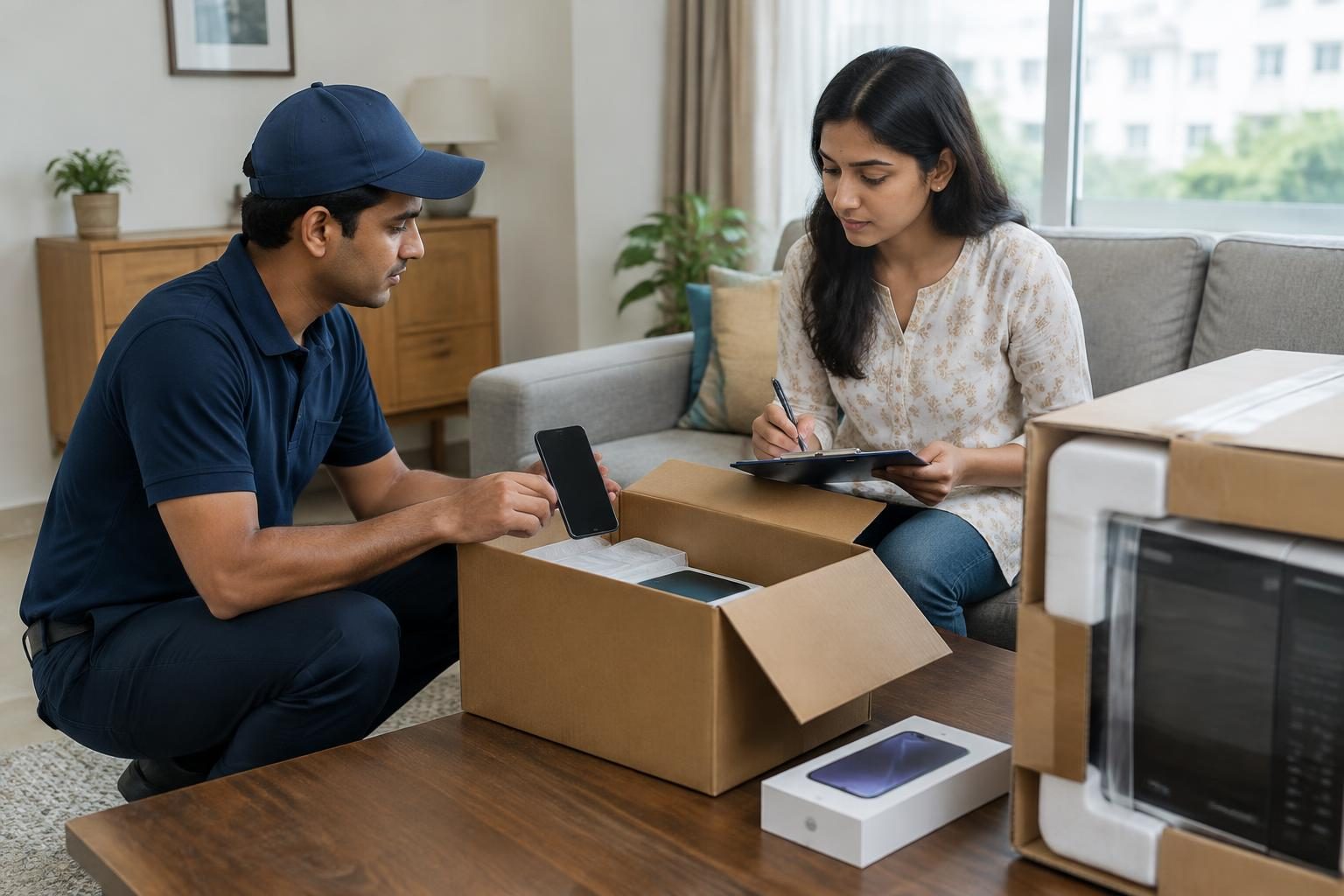
When you receive an open box delivery of phones or appliances, the essential first step is to carefully inspect the item for any cosmetic or functional damage, confirm all accessories and documentation are included, test the product’s basic operations, and retain the original packaging during the return or warranty period. Promptly documenting any issues ensures smooth resolution with the retailer or manufacturer.
What should I check when receiving an open-box phone or appliance delivery?
Start by thoroughly inspecting the item’s condition and contents to verify it matches your order and is fully functional.
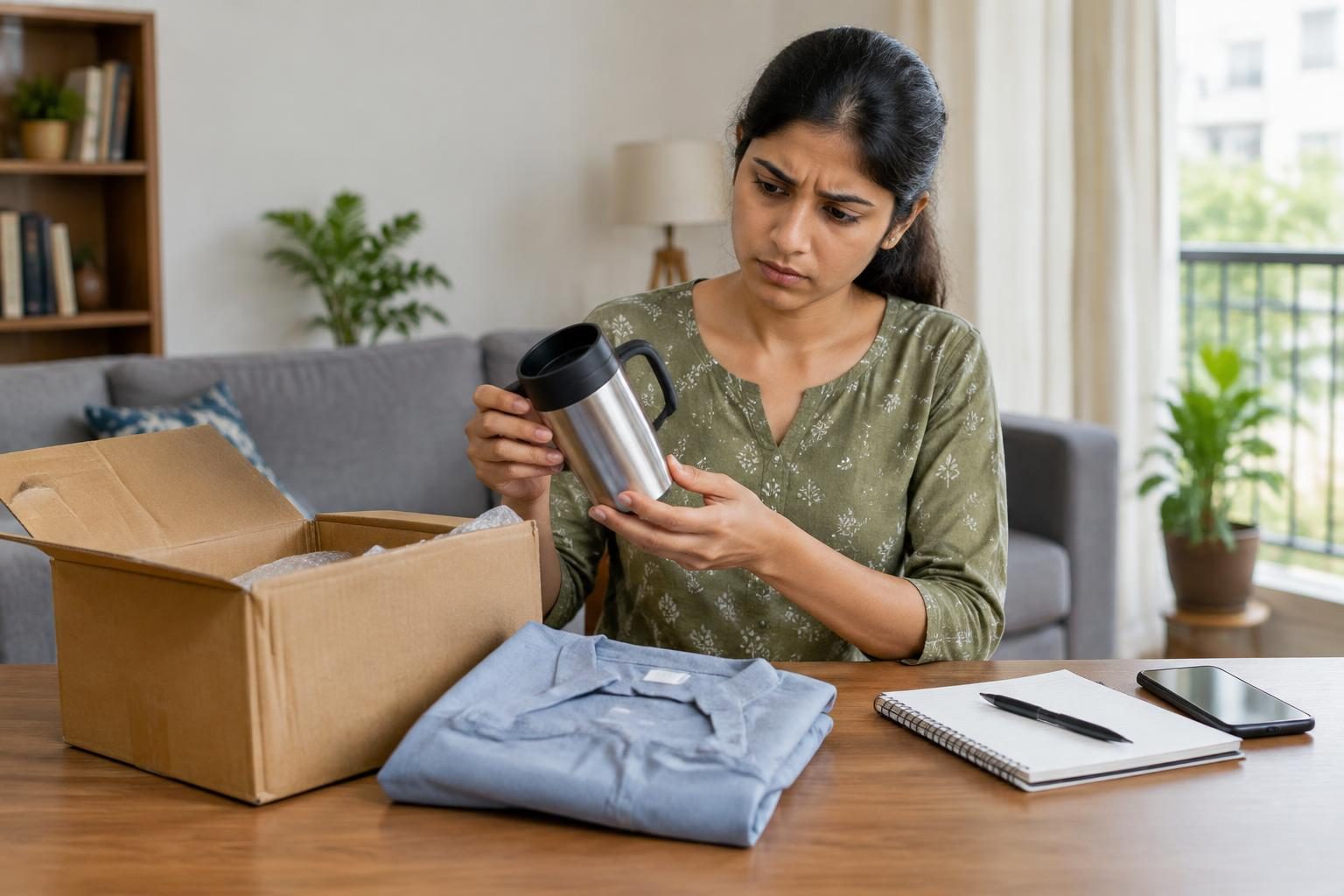
- Inspect the exterior for any scratches, dents, cracks, or discoloration that might indicate damage.
- Confirm that the product is the correct model with the specifications you ordered.
- Look for manufacturer stickers showing model and serial numbers; these must be intact to help with warranty and registration.
- Check that all expected accessories like chargers, cables, and manuals are included in the package.
- Ensure the original packaging is present and undamaged, as it may be required for returns.
- Power on the device or appliance to test basic functions such as touchscreen responsiveness for phones or operation cycles for appliances.
Consumer Reports notes many open-box electronics are returned but still in working order, though cosmetic flaws may be present; accessories and manuals might sometimes be missing, so thorough checking is critical (source).
Why is it important to keep the original packaging when buying phones or appliances?
Keeping the original box protects your purchase and simplifies return or warranty claims.
- Manufacturers and retailers often require the original packaging to process returns, repairs, or exchanges, especially for fragile or large appliances.
- Packaging helps protect the item from damage during return shipping.
- Maintaining the box can enhance resale value if you decide to sell the item later, as original packaging signals better care.
- Consumer Reports recommends holding onto packaging for at least the duration of the return period, usually 30 to 90 days (source).
What accessories and documentation should be included with open-box electronics?
Open-box phones and appliances should come with all accessories that originally accompanied the product.
- This typically includes chargers, USB or power cables, remote controls for appliances, and sometimes printed user manuals.
- Manuals may be missing and instead be provided digitally.
- Verify every accessory listed in the product description or manufacturer’s packaging list is present.
- If anything is missing, report it immediately to the seller for resolution.
Consumer Reports highlights that while accessories are usually included, manuals might sometimes be absent in open-box items (source).
How can I confirm the functionality of an open-box appliance or phone upon delivery?
Testing the device soon after delivery helps identify any functional problems early.
- Power on the phone or appliance immediately to verify it starts correctly.
- For phones, test calling, touchscreen features, speakers, and charging ports.
- For appliances, run basic functions or brief test cycles when possible (e.g., a quick rinse cycle for washing machines).
- Check that buttons, displays, ports, and other critical components work as expected.
- Any operational issues should be reported to the retailer or delivery service without delay.
According to Consumer Reports, testing used appliances and open-box items is important as it confirms proper functionality before final acceptance (source).
Are there common cosmetic issues to look out for in open-box items?
Open-box items often have minor cosmetic flaws that do not affect performance but should be noted.
- Look for small scratches, scuffs, dents, or paint chips that are common with returned products.
- Check for discoloration, marks on screens or casings, and uneven surfaces.
- Inspect carefully for signs of prior repairs or tampering that may void warranty.
- Remember that sellers should disclose any such cosmetic damage with open-box items, and you have a right to refuse or return products not as described.
Consumer Reports confirms cosmetic flaws are typical in open-box products but should always be made clear to buyers (source).
What warranty considerations should I be aware of when purchasing open-box phones or appliances?
Open-box items generally carry the original manufacturer warranty but keep documents to safeguard your coverage.
- Retain all purchase receipts, warranty cards, and packaging during the warranty period.
- The duration and terms usually match new items, but verify with the retailer or manufacturer.
- Understand the retailer’s return policy for open-box goods, as it may differ from new product returns.
- Report any defects within the warranty or return window promptly to ensure your claim is accepted.
Consumer Reports notes that keeping the original box and paperwork is particularly important for warranty and return claims on open-box devices (source).
What should I do if an open-box item is missing accessories or has defects?
Immediate documentation and communication are key to resolving missing parts or defects with open-box items.
- Take clear photos of missing accessories, damages, or any defects as soon as you notice them.
- Make detailed notes describing the issues and compare with the original product listing or packaging list.
- Contact the retailer or delivery agent right away to report the problem and request replacement or refund.
- Keep all records of communications, including emails and calls, to support any dispute or claim.
Consumer Reports emphasizes documenting problems promptly and following the seller’s instructions for return or warranty claims is essential to protect your rights (source).
Frequently asked questions
How does buying open-box items differ from buying refurbished or used products?
Open-box items are typically products returned shortly after purchase but still in good condition, inspected, and resold often with original packaging. Refurbished products have been repaired or restored to meet manufacturer standards, while used items are owned and used previously, sometimes without inspection.
How long should I keep the packaging and receipts after receiving an open-box device?
It is best to keep packaging and receipts at least through the return period and warranty duration, often 30 to 90 days, to facilitate any returns or warranty claims that may arise.
What are the risks associated with open-box electronics and appliances?
Risks include missing accessories, cosmetic defects, or functional issues that might not be immediately obvious. Testing and inspection on delivery help mitigate these risks.
Why is it important to test the appliance immediately upon delivery?
Testing immediately ensures any defects or malfunctions are noticed while you still have the option to return or exchange the item under the retailer’s policies.
Are manuals always included with open-box electronics?
Manuals are often included but may sometimes be missing or supplied digitally. Verify their presence or availability online upon delivery.
The bottom line
When accepting an open-box delivery of phones or appliances, inspect every aspect carefully—condition, accessories, packaging, and functionality. Retain all original materials and promptly report any issues to secure your consumer rights. This proactive approach protects your investment and ensures smooth returns or warranty claims if necessary.
For more detailed guidance on related topics, see our steps to take if a damaged appliance is delivered, return evidence checklist for wrong or defective deliveries, and understanding manufacturer vs extended warranty.
Sources & methodology
We reviewed the primary references below when checking the time-sensitive facts in this guide. Product features, prices, rules and eligibility can change, so confirm important details with the linked authority before acting.
- Should You Keep the Box for That New Electronic Device? www.consumerreports.orgConsumer Reports advises retaining the original packaging for electronic devices, such as smartphones, laptops, and televisions, for at least the return period, typically 30 to 90 days. This practice facilitates returns and warranty claims. The packaging also aids in resale, as items with original boxes often fetch higher prices. Additionally, keeping the box is beneficial for warranty purposes, especially for large or delicate items, as manufacturers may require the original packaging for returns. For storage, flatten boxes and store them in a designated area to save space. However, if the packaging is not needed for returns, resale, or warranty, it can be discarded to reduce clutter.
- Should You Buy a Used Appliance? www.consumerreports.orgConsumer Reports provides a checklist for purchasing used appliances: 1. Research the appliance's features and reliability. 2. Ensure the appliance has a manufacturer sticker with model and serial numbers. 3. Inquire about any repairs or replacements. 4. Test the appliance to confirm functionality. 5. Negotiate the price, as haggling is acceptable and can lead to savings. The article emphasizes the importance of thorough inspection and due diligence when buying used appliances.
- Should You Buy a Refurbished Phone? www.consumerreports.orgConsumer Reports discusses the benefits and considerations of purchasing refurbished phones: 1. Refurbished phones can be indistinguishable from new ones if properly restored. 2. Certified refurbishing programs often include thorough inspections, battery replacements, and a one-year warranty. 3. Purchasing refurbished devices from reputable sources, such as manufacturers or trusted retailers, is recommended. 4. Buying refurbished supports environmental sustainability by extending the device's lifespan. The article advises consumers to research the refurbishing process and warranty terms before making a purchase.
- Open-box electronics items: Another shopping option to consider www.consumerreports.orgConsumer Reports explains that open-box electronics are returned items inspected by retailers and resold at discounted prices. Unlike refurbished goods, open-box items are not typically repaired by the manufacturer. While many open-box items are in working order, they may have cosmetic flaws. Accessories are usually present, but manuals might be missing. The article suggests that open-box items can be a cost-effective option, provided consumers are aware of potential imperfections.