Petrol vs Electric Car Ownership Cost in India: 5-Year Comparison
Over five years, electric cars in India usually cost less to own than petrol cars due to lower fuel and maintenance costs, despite higher upfront prices and variable resale values.
Contents
- Which costs make up the total five-year ownership for petrol and electric cars in India?
- How do purchase prices and government incentives differ for petrol and electric cars in India?
- What are the differences in fuel and electricity costs for petrol vs electric cars over five years?
- How do maintenance and servicing costs compare between petrol and electric cars in India?
- What role do depreciation and resale value play in the overall five-year cost comparison?
- Are insurance costs and charging infrastructure availability significant factors in ownership cost?
- How do regional petrol and electricity price variations across India affect the running cost comparison?
- Five-Year Cost Comparison Table: Petrol vs Electric Car in India
- Choose petrol if:
- Choose electric if:
- Who should avoid each option?
- Useful alternatives to consider
- Frequently asked questions
- The bottom line
- Sources & methodology
In India, electric cars generally cost less to own over five years than petrol cars because of significant savings in fuel (electricity) and maintenance expenses, even though electric vehicles (EVs) often have higher upfront prices. Government subsidies and lower running costs make EVs a more economical choice for many buyers.
Which costs make up the total five-year ownership for petrol and electric cars in India?
Total ownership cost for both petrol and electric cars in India includes several key components: the initial purchase price, fuel or electricity expenses, maintenance and servicing costs, insurance premiums, depreciation, and infrastructure-related charges like charging installation for EVs. Additionally, government subsidies and incentives on electric vehicles reduce their effective purchase cost, making EV ownership more affordable over time.
How do purchase prices and government incentives differ for petrol and electric cars in India?
Petrol cars typically have a lower upfront purchase price compared to electric cars. However, electric vehicles in India benefit from government subsidies and incentives aimed at encouraging cleaner transportation, which can substantially reduce the effective cost. The actual price difference varies depending on the specific car models and battery sizes, with larger battery EVs costing more initially but enjoying larger subsidies.
What are the differences in fuel and electricity costs for petrol vs electric cars over five years?
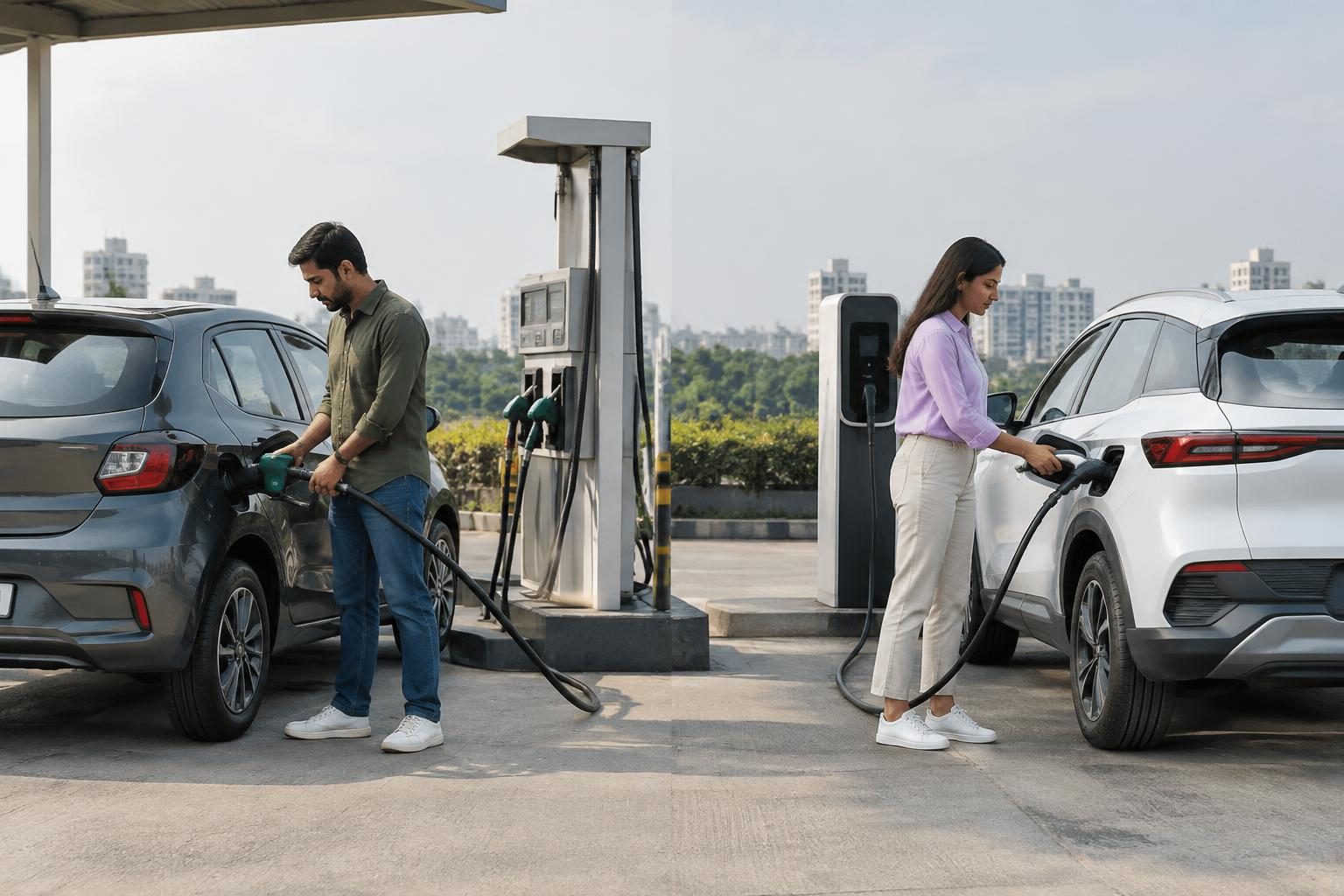
Electric cars in India incur much lower running costs for fuel, as electricity prices per kilometer driven are considerably lower than petrol prices. Monthly expense breakdowns consistently show that EV owners pay significantly less on fuel compared to petrol car owners, resulting in large savings over five years.
How do maintenance and servicing costs compare between petrol and electric cars in India?
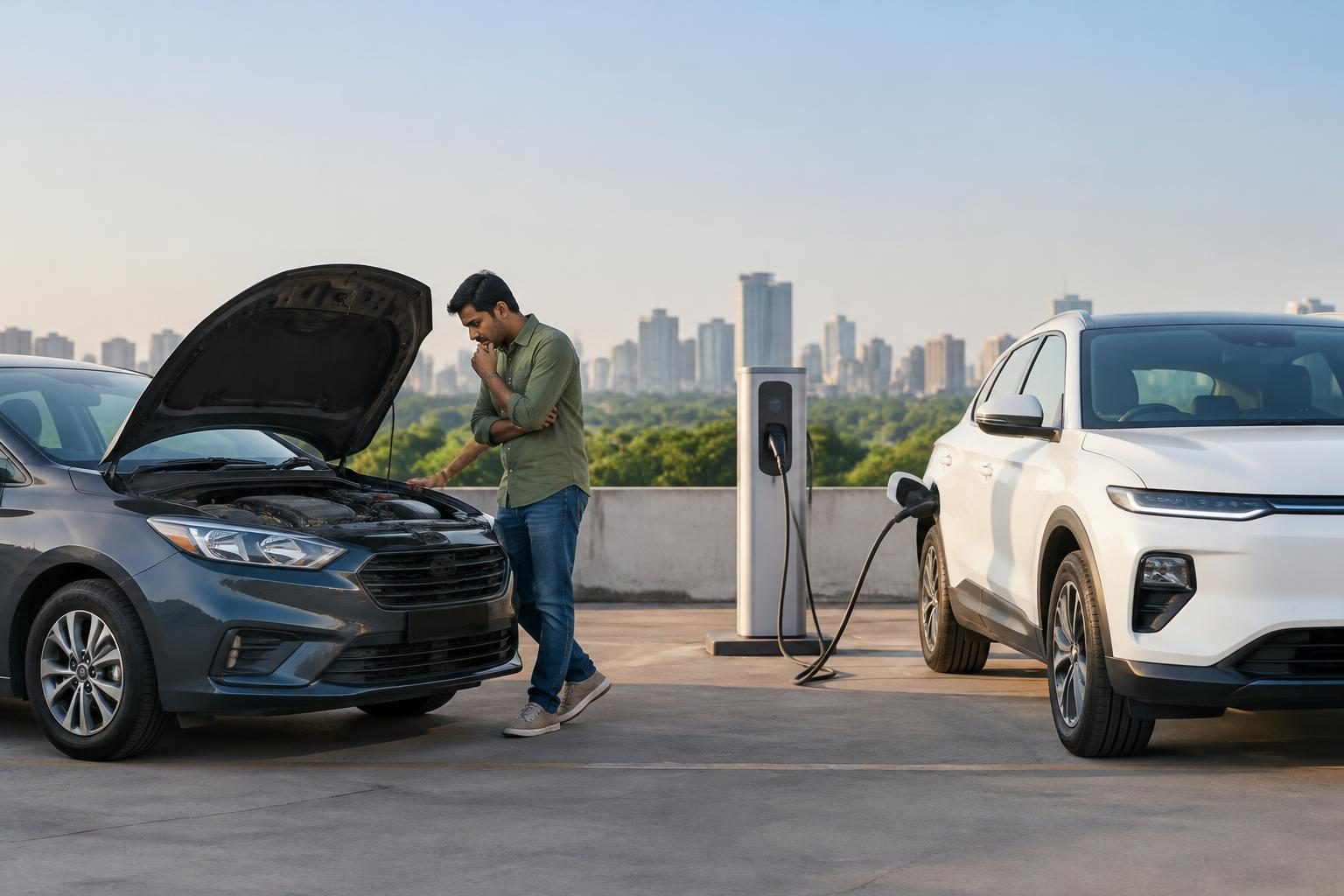
EVs generally have fewer moving parts and simpler drivetrains than petrol cars, resulting in lower maintenance and servicing expenses. Petrol vehicles require frequent oil changes and complex engine maintenance, which adds up over time. This difference positively impacts the total ownership cost, favoring electric cars.
What role do depreciation and resale value play in the overall five-year cost comparison?
Depreciation rates differ between petrol and electric vehicles in India. While petrol cars have established resale markets, EV resale values can vary significantly based on battery health, demand, and evolving technology. This variation influences long-term cost-effectiveness and should be considered carefully when evaluating ownership costs.
Are insurance costs and charging infrastructure availability significant factors in ownership cost?
While insurance premiums differ somewhat between petrol and electric cars, this cost is generally a smaller part of total ownership expenses. However, the availability and convenience of charging infrastructure in India do influence the indirect cost and ease of owning an EV, impacting user experience rather than direct costs.
How do regional petrol and electricity price variations across India affect the running cost comparison?
Fuel and electricity prices vary by region in India, affecting how much owners spend on running their vehicles. Consumers should consider their local petrol and electricity rates to accurately estimate potential savings when choosing between petrol and electric cars.
Five-Year Cost Comparison Table: Petrol vs Electric Car in India
| Cost Component | Petrol Car | Electric Car (EV) |
|---|---|---|
| Purchase Price | Lower upfront | Higher upfront, reduced by government incentives |
| Fuel/Electricity Cost | High - Petrol prices variable and rising | Low - Electricity cheaper per km |
| Maintenance & Servicing | Higher - Frequent oil, engine care | Lower - Fewer moving parts |
| Depreciation & Resale | Stable resale markets, predictable depreciation | Varies with battery health and demand; potential for quicker value shifts |
| Insurance | Standard premiums | May differ slightly, typically comparable |
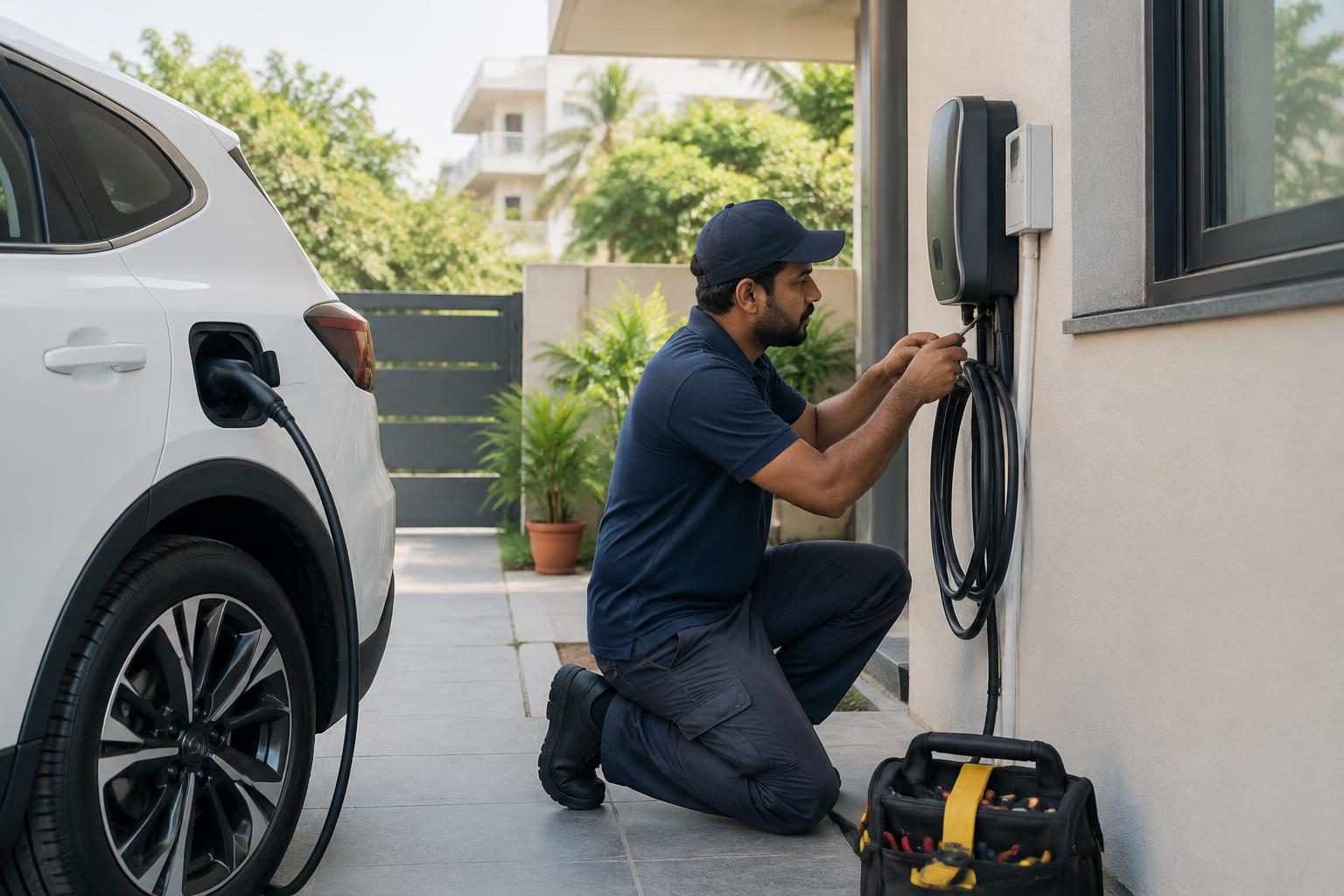
| Infrastructure Costs | Fuel stations widely available | Home charger installation plus charging infrastructure access |
Choose petrol if:
- You prioritize lower initial purchase cost without waiting for subsidies.
- Charging infrastructure at your location is limited.
- You plan to resale within a short period and prefer established resale values.
Choose electric if:
- You want to save on running costs, especially fuel and maintenance, over several years.
- Your area has good access to charging facilities or you can install a home charger.
- You want to benefit from government incentives and contribute to cleaner transport.
Who should avoid each option?
- Petrol cars are less suitable for those looking to reduce fuel expenses or environmental impact.
- EVs may be less convenient for buyers in regions lacking charging infrastructure or who cannot afford a higher initial cost.
Useful alternatives to consider
- Hybrid vehicles combining petrol and electric power to balance costs and infrastructure challenges.
- Two-wheelers or public transportation for short-distance city travel as cost-effective mobility solutions.
Frequently asked questions
Which is cheaper to own in India over five years, a petrol car or an electric car?
Electric cars generally prove cheaper over five years due to substantially lower fuel and maintenance costs, despite higher initial prices. Government subsidies further improve their affordability.
What are the main contributors to running costs of petrol vs electric cars in India?
Fuel (petrol or electricity) and maintenance fees make up the largest running costs, with petrol cars incurring higher expenses for both when compared to electric vehicles.
How do fuel and electricity costs compare for petrol and electric cars in India?
Electricity is significantly cheaper per kilometre than petrol, leading to monthly savings for electric car owners. Variations in local rates can affect the size of this advantage.
How does depreciation impact the five-year ownership cost for petrol and electric cars?
Petrol cars usually have more predictable resale values. Electric vehicle depreciation depends on battery health and market demand, which can vary significantly, impacting overall cost-effectiveness.
Are there any government incentives or subsidies that affect the total cost of owning an electric vehicle in India?
Yes. The Indian government offers subsidies and incentives to lower the effective purchase price of EVs, helping to offset their higher upfront cost and improve long-term affordability.
The bottom line
While electric cars in India typically have a higher initial cost, their lower fuel and maintenance expenses, combined with government incentives, usually make them more cost-effective over five years compared to petrol cars. Buyers must assess local infrastructure and personal usage to make the most suitable choice.
For further reading on supporting EV ownership, see our Best home EV chargers in India for 2025 guide and the latest on TVS Motor Company's electric vehicle offerings and growth in India in 2026.
Sources & methodology
We reviewed the primary references below when checking the time-sensitive facts in this guide. Product features, prices, rules and eligibility can change, so confirm important details with the linked authority before acting.
- 60kWh EV vs 1.5 Turbo Petrol: 5-Year Running Cost Explained - Auto India Daily Auto India Daily60kWh EV vs 1.5 Turbo Petrol: 5-Year Running Cost Explained - Auto India Daily. 60kWh EV vs 1.5 Turbo Petrol: 5-Year Running Cost Explained Auto India Daily This source was collected for price, availability, specification and offer verification. Any time-sensitive price or stock claim must be checked against the retailer or brand page immediately before publication.
- Electric Car vs Petrol Car: Which Saves More Money in the Long Run? - hyundai.com hyundai.comElectric Car vs Petrol Car: Which Saves More Money in the Long Run? - hyundai.com. Electric Car vs Petrol Car: Which Saves More Money in the Long Run? hyundai.com This source was collected for price, availability, specification and offer verification. Any time-sensitive price or stock claim must be checked against the retailer or brand page immediately before publication.
- Real cost of owning a car in India! 5-year breakdown of Petrol vs Diesel vs EV - The Times of India The Times of IndiaReal cost of owning a car in India! 5-year breakdown of Petrol vs Diesel vs EV - The Times of India. Real cost of owning a car in India! 5-year breakdown of Petrol vs Diesel vs EV The Times of India This source was collected for price, availability, specification and offer verification. Any time-sensitive price or stock claim must be checked against the retailer or brand page immediately before publication.
- Electric Car Running Cost vs Petrol Cars in India: A Real Monthly Expense Breakdown - Autopunditz AutopunditzElectric Car Running Cost vs Petrol Cars in India: A Real Monthly Expense Breakdown - Autopunditz. Electric Car Running Cost vs Petrol Cars in India: A Real Monthly Expense Breakdown Autopunditz This source was collected for price, availability, specification and offer verification. Any time-sensitive price or stock claim must be checked against the retailer or brand page immediately before publication.
- EV vs Petrol Resale Value: Which Car Holds Its Price Better in India? - carandbike carandbikeEV vs Petrol Resale Value: Which Car Holds Its Price Better in India? - carandbike. EV vs Petrol Resale Value: Which Car Holds Its Price Better in India? carandbike This source was collected for price, availability, specification and offer verification. Any time-sensitive price or stock claim must be checked against the retailer or brand page immediately before publication.
- I asked ChatGPT: EV vs petrol - which really saves you more money? The answer isn’t what you expect - Livemint LivemintI asked ChatGPT: EV vs petrol - which really saves you more money? The answer isn’t what you expect - Livemint. I asked ChatGPT: EV vs petrol - which really saves you more money? The answer isn’t what you expect Livemint