Air Purifier Buying Guide India 2026: CADR, Filters and Room Size Explained
Choosing the right air purifier in India in 2026 means understanding CADR, filter types, room size, energy efficiency, and maintenance to suit local needs and pollution.
Contents
- What is CADR and why is it important when buying an air purifier in India?
- How do different types of filters work in air purifiers and which ones are best for Indian homes?
- How should I choose the right air purifier based on room size in India?
- What are the best air purifiers currently available in India for 2026?
- How energy efficient are air purifiers in the Indian market?
- What maintenance is required for air purifiers in India?
- Are there air purifiers specifically designed to handle common Indian indoor pollutants like dust, smoke, and allergens?
- What certifications or standards should Indian consumers look for when buying an air purifier?
- How do price and brand affect the quality and performance of air purifiers in India?
- What additional features should consumers consider when purchasing an air purifier in India?
- Frequently asked questions
- The bottom line
Choosing the right air purifier in India in 2026 depends on understanding several technical and practical factors such as CADR (Clean Air Delivery Rate), filter types that tackle local pollutants, the purifier’s capacity relative to your room size, energy consumption, and maintenance demands. This guide explains these essential criteria and helps you select models best suited to Indian homes and air quality challenges.
What is CADR and why is it important when buying an air purifier in India?
CADR stands for Clean Air Delivery Rate and measures the volume of purified air an air purifier produces per minute. A higher CADR means the unit can clean the air faster and more efficiently. Selecting a purifier with a CADR that matches your room size is vital to ensure the air is filtered effectively without wasting energy.
How do different types of filters work in air purifiers and which ones are best for Indian homes?
Different filters target various pollutants common in Indian environments:
- HEPA filters capture fine dust, pollen, and allergens that are prevalent indoors.
- Activated carbon filters absorb odors, smoke, and harmful gases often found in urban Indian air.
- Pre-filters trap larger particles, extending the life of the main filters.
- Some advanced purifiers combine these filters for comprehensive protection against dust, smoke, allergens, and pollution.
How should I choose the right air purifier based on room size in India?
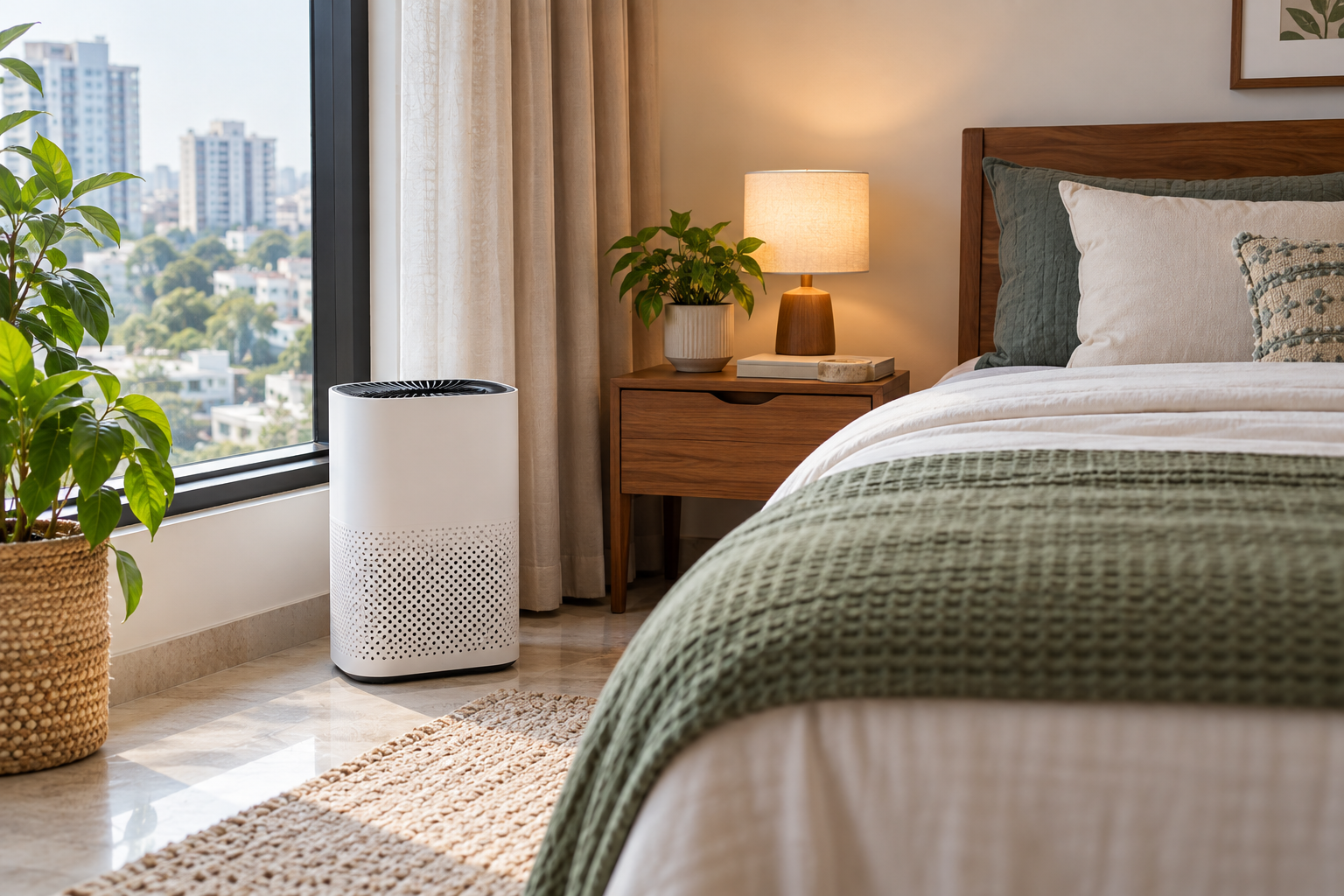
Begin by measuring your room’s square footage to match with a purifier’s recommended coverage area. Using an oversized purifier in a small room wastes electricity, while an undersized one will not clean efficiently. Also, consider placement and airflow in Indian apartments or houses to ensure even air distribution.
What are the best air purifiers currently available in India for 2026?
Leading models come from brands known for reliable quality and after-sales service in India. Look for purifiers featuring high CADR values, HEPA and activated carbon filters, and energy-efficient designs. Compare prices, warranties, and customer reviews to find the best value model for your home.
How energy efficient are air purifiers in the Indian market?
Energy efficiency varies across models. Select units with low power consumption and energy-saving modes to reduce electricity bills. Check for star ratings or relevant Indian energy certifications if available to ensure better energy performance.
What maintenance is required for air purifiers in India?
To keep purifiers performing well, regular cleaning or filter replacement is necessary. Most manufacturers recommend changing filters every 6 to 12 months. Maintaining filters is particularly important in India due to high dust and pollution levels in many cities.
Are there air purifiers specifically designed to handle common Indian indoor pollutants like dust, smoke, and allergens?
Yes, multi-stage filtration purifiers are best suited for Indian homes. Activated carbon filters reduce smoke and urban odors, while HEPA filters remove dust and allergens. Some models also include anti-bacterial coatings or UV sterilizers to address indoor microbes.
What certifications or standards should Indian consumers look for when buying an air purifier?
Look for certifications such as CE, AHAM, or local Indian standards where applicable. These ensure the purifier meets strict safety and efficiency benchmarks. Energy star ratings can also help identify energy-saving machines.
How do price and brand affect the quality and performance of air purifiers in India?
Trusted brands tend to offer better build quality, reliable filters, and strong customer support. Cheaper purifiers may save upfront cost but often compromise on key features like filter quality or CADR ratings. Balance price against features such as filter types, coverage, energy use, and warranty.
What additional features should consumers consider when purchasing an air purifier in India?
Extra features to consider include air quality sensors, sleep or auto modes, smart connectivity, and noise level. Portability and easy filter replacement add convenience for Indian homes. Some models also provide dehumidification or cooling options suitable for India’s climate.
Frequently asked questions
How often should I replace air purifier filters in India?
Filters generally need replacing every 6 to 12 months depending on usage and pollution levels. Regular inspection and following the manufacturer’s guidelines help maintain performance.
Can air purifiers remove harmful gases and smoke common in Indian cities?
Yes, purifiers with activated carbon filters are effective at absorbing harmful gases and smoke prevalent in Indian urban environments.
Are there energy-saving modes available on popular air purifiers in India?
Many modern air purifiers feature energy-saving or sleep modes that reduce power usage without compromising air quality, suitable for Indian households.
How do I know if an air purifier suits a small apartment versus a large room?
Check the purifier’s recommended coverage area and CADR rating against your room size. Use smaller units for compact apartments and larger purifiers for bigger rooms.
What are the common indoor pollutants in Indian homes that air purifiers can address?
Common indoor pollutants include dust, pollen, cooking smoke, vehicle emissions, allergens, and microbes. Effective air purifiers use multi-layer filters to handle these.
The bottom line
Choosing an air purifier in India in 2026 requires understanding CADR, filter types, room size compatibility, energy efficiency, and maintenance. Selecting trusted brands with multi-stage filtration and energy-saving features ensures cleaner air suited to Indian homes. Regular upkeep and matching purifier capacity to room size maximize health benefits and cost-effectiveness.
For more practical home improvement tips, explore Space-saving storage ideas for Indian homes and consider our insights on Modular kitchen costs influencing home improvements in India.