Eco-friendly Diwali Decoration: 15 Reusable Sustainable Ideas
Use sustainable materials like clay diyas, fabric buntings, and natural flower garlands to create eco-friendly Diwali decorations that you can reuse every year.
Contents
- What are some popular eco-friendly Diwali decoration ideas?
- How can I make my Diwali decorations sustainable and reusable?
- What materials are best for eco-friendly Diwali decorations?
- How do eco-friendly decorations impact the environment during Diwali?
- Where can I buy sustainable Diwali decorations?
- Can traditional Diwali decorations be made sustainable?
- What are some DIY eco-friendly Diwali decoration projects?
- How can I store reusable decorations to preserve them year after year?
- Frequently asked questions
- The bottom line
Eco-friendly Diwali decoration involves using sustainable, natural, and reusable materials such as clay diyas, fabric buntings, and fresh flower garlands to create beautiful traditional designs. These decorations reduce environmental impact and can be preserved and reused year after year with proper care, blending cultural richness with sustainability.
What are some popular eco-friendly Diwali decoration ideas?
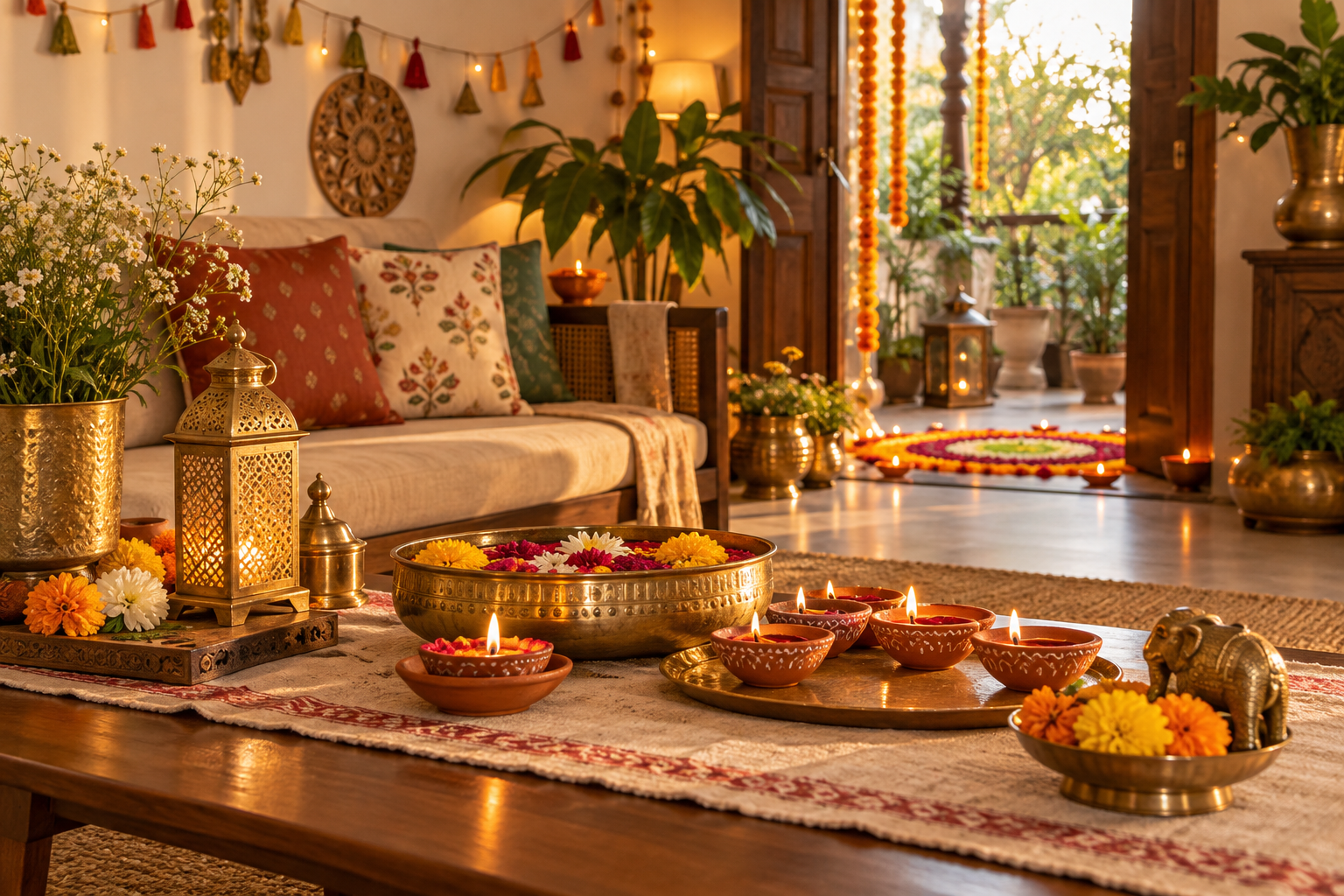
Popular eco-friendly decoration ideas include using natural and biodegradable items instead of synthetic ones, which not only respect tradition but also reduce waste.
- Use clay diyas and beeswax or soy candles instead of electric or plastic lights to create warm, authentic lighting.
- Decorate with fresh flower garlands made from marigold, jasmine, or rose petals, and incorporate potted plants for lasting greenery.
- Employ fabric buntings crafted from cotton or jute and recycled paper lanterns in place of plastic decorations.
- Create rangoli designs using natural colors such as turmeric powder, rice flour, and flower petals rather than chemical-based powders.
How can I make my Diwali decorations sustainable and reusable?
You can make Diwali decorations sustainable and reusable by choosing durable materials, crafting DIY décor, and ensuring proper storage.
- Opt for materials like fabric, metal, or clay that can withstand storage and repeated use.
- Create DIY decorations using recycled items or natural elements, such as homemade clay diyas or paper lanterns from newspapers.
- Store decorations in dry, clean containers or breathable fabric bags to prevent damage over time.
- Design multi-purpose decorations that can be adapted for other festivals or home décor to maximize their usability.
What materials are best for eco-friendly Diwali decorations?
The best materials for eco-friendly decorations are natural, biodegradable, and recyclable, avoiding plastic and synthetic substances.
- Natural materials like clay, jute, cotton, bamboo, and wood offer durability and tradition.
- Use organic dyes and paints derived from plants for coloring rangoli, diyas, and fabrics.
- Recyclable papers and natural fabrics are preferred instead of plastics or glitter decorations.
- Avoid synthetic, non-biodegradable, and single-use items to minimize environmental harm.
How do eco-friendly decorations impact the environment during Diwali?
Eco-friendly decorations reduce pollution, waste, and encourage sustainable crafts and awareness during the festival.
- They cut down plastic and non-biodegradable waste generation that usually spikes during Diwali.
- Reduce air and water pollution by avoiding synthetic materials and chemical-based colors.
- Support artisans and local businesses specializing in sustainable crafts by creating demand.
- Promote awareness among families and communities to adopt green traditions year after year.
Where can I buy sustainable Diwali decorations?
Eco-friendly decorations can be sourced from local artisans, sustainable online marketplaces, and festivals dedicated to crafts.
- Visit local artisan markets and handloom stores that focus on eco-friendly crafts.
- Explore online platforms specializing in handmade, sustainable products made with natural materials.
- Attend organic and craft fairs during the festival season to find unique decorations.
- Look for cooperatives and NGOs that promote traditional and eco-friendly crafts.
Can traditional Diwali decorations be made sustainable?
Yes, traditional decorations can be made sustainable by replacing synthetic components with natural and reusable alternatives.
- Substitute plastic torans with handcrafted ones made of fabric, dried flowers, or natural fibers.
- Use natural paints and organic colors when decorating clay diyas and making rangoli.
- Encourage gifting and reusing decorations to reduce waste rather than disposing of them after one use.
What are some DIY eco-friendly Diwali decoration projects?
Making your own eco-friendly Diwali decorations is rewarding and helps personalize your celebrations sustainably.
- Make clay diyas at home and decorate them using organic colors or natural beads.
- Create paper lanterns from recycled newspapers or handmade paper for hanging décor.
- Craft garlands from dried flowers, leaves, or local seeds, which can dry naturally and be stored.
- Paint old glass jars and bottles with safe acrylic or natural paints to use as candle holders or lanterns.
How can I store reusable decorations to preserve them year after year?
Proper storage is essential to keep your decorations in good condition for reuse every Diwali.
- Store decorations in moisture-free containers or airtight boxes to prevent mold and mildew.
- Use breathable fabric bags or boxes with silica gel packets to control humidity.
- Label and organize decorations clearly for easy access and careful handling.
- Clean decorations gently before storing, removing dust or residues to avoid decay.
Frequently asked questions
What are some popular eco-friendly Diwali decoration ideas?
Popular ideas include using clay diyas, fresh flower garlands, fabric buntings, and natural rangoli colors to celebrate sustainably.
How can I make my Diwali decorations sustainable and reusable?
Choose durable, natural materials for decorations, create DIY crafts from recycled items, and store everything carefully after use.
What materials are best for eco-friendly Diwali decorations?
Natural materials such as clay, jute, cotton, wood, and plant-based dyes are best to keep decorations biodegradable and sustainable.
Where can I buy sustainable Diwali decorations?
Local artisan markets, handloom stores, sustainable online platforms, and craft fairs offer a variety of eco-friendly options.
Can traditional Diwali decorations be made sustainable?
Yes, by replacing plastics with natural fibers, using organic paints, and encouraging reuse, traditional décor can be eco-friendly.
The bottom line
Eco-friendly Diwali decorations combine tradition with sustainability by using natural, reusable materials that reduce waste and pollution. With care and thoughtful sourcing, you can celebrate Diwali beautifully while caring for the environment and supporting local artisans. Planning for reuse and proper storage will allow these decorations to bring joy year after year.
For more inspiration, explore our home décor inspiration and tips to enhance your festive celebrations sustainably.